
If you find it hard to fall back to sleep, try a relaxation technique such as visualization, progressive muscle relaxation, or meditation, which can be done without even getting out of bed. Even though it’s not a replacement for sleep, relaxation can still help rejuvenate your mind and body. Try to eat dinner can’t sleep without drinking earlier in the evening, and avoid heavy, rich foods within two hours of going to bed. Spicy or acidic foods can cause stomach trouble and heartburn which can wake you during the night. Oftentimes, changing the habits that are reinforcing sleeplessness is enough to overcome the insomnia altogether.
Alcohol and Sleep

In all, it’s imperative to note that these are merely factors and not binding verdicts. Insomnia is subjective to the person involved as everybody’s body responds differently to different conditions and stimulants. At first, it’s not going to be easy to change the routine, but over time, you’ll develop a healthier schedule which doesn’t rely on booze. Alcohol can make you sleepy initially, by influencing your brain function.
How to Fall Asleep Without Drinking Alcohol?
A doctor has shared some of the ways your body can change after giving up alcohol for a month. Peters is a board-certified neurologist and sleep medicine specialist and is a fellow of the American Academy of Sleep Medicine. If you’ve tried the correcting your sleep on your own for a month and it still doesn’t feel adequate, see your doctor for an evaluation. Sleep can also be interrupted by poor timing of your medications.
Limit Distractions Before Bed
Alcohol interferes with the brain’s ability to receive chemical messages involved in breathing, which decreases the body’s respiratory drive and increases the likelihood of pauses in breathing. The typical sleep cycle begins with three non-rapid eye movement (NREM) stages of sleep and ends with rapid eye movement (REM). During sleep, the body cycles through all of these stages every 90 to 120 minutes, with NREM sleep dominating the first part of the night and REM increasing during the second part of the night. Each stage is necessary for sleep to feel refreshing and for vital processes like learning and memory consolidation to occur.
- This sleep cycle disruption is what causes the person to feel tired and “fuzzy” the next day and can lead to further sleep issues, such as insomnia or alcohol addiction over time.
- This can lead to additional effects like daytime sleepiness and grogginess.
Frequently Asked Questions About Alcohol Withdrawal Insomnia
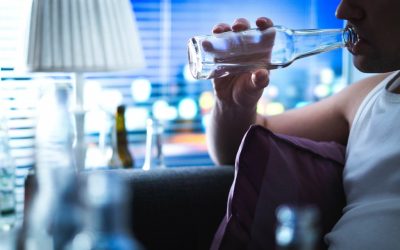
Your body and brain tell you that you need the initial relaxation to wind down, but this is not necessarily true. Research shows alcohol often has a detrimental effect on your ability to access high quality, deep sleep. Even if you do fall asleep faster after a drink, you’re likely to have a disturbed night.
These interventions aim to replace the role that alcohol played in getting you to sleep and help you practice good sleep hygiene. Therefore, understanding the effects of alcohol on sleep is crucial for addressing sleep disturbances and promoting healthy sleep patterns, particularly for those with a history of alcohol use. To improve your quality of sleep, Wu said you need to have the right sleep environment.
Once you expel it from your life, the body can invest energy once assigned to battling alcohol’s toxic effects into nurturing and rebuilding itself. Remember, these are averages based on research and does not apply uniformly to every individual experiencing insomnia after quitting alcohol. It always does good to approach this journey of recovery patiently and optimistically, savoring every little milestone along the way. For those with a serious addiction and years of heavy drinking behind them, it’s expected that the insomnia may last longer.
A person can speak with a doctor to discuss the best way to treat and manage their condition. People who drink alcohol before sleep are also more likely to experience breathing difficulties at night. They will also experience shorter periods of sleep, resulting in less restful sleep overall. People with insomnia may have difficulty falling asleep or keep waking up during the night.
Insomnia is a common condition where a person has trouble falling asleep or staying asleep. Up to 40% of the general population experiences insomnia, while as many as 72% of people with an alcohol use disorder may have the condition. When you have sleep apnea, drinking can make the breathing interruptions last longer when you are asleep, leading to more awakenings.




Leave A Comment